

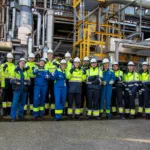







BASF, SABIC, and Linde have inaugurated in 2024 the world’s first demonstration plant for large-scale electrically heated steam cracking furnaces, in Ludwigshafen, Germany.
To achieve net-zero CO2 emissions by 2050 at BASF, a complete transition from fossil fuels to renewable electricity is needed. This transformation requires the development of innovative, low-CO2 processes, with a primary focus on basic chemicals, which account for the largest share of emissions in the chemical industry.
Steam crackers are critical components of BASF’s production facilities in Ludwigshafen, Port Arthur (Texas), Antwerp (Belgium), and Nanjing (China). They play a vital role in splitting crude gasoline into olefins and aromatics, crucial for numerous chemical value chains. Traditional steam crackers rely on methane combustion to attain the high temperatures required for this process, reaching around 850 degrees Celsius.
A revolutionary approach introduces electric resistance heating (eFurnace) and renewable energy sources, potentially eliminating up to 90% of process-related emissions. This pioneering solution promises to make a substantial contribution to reducing CO2 emissions within the chemical industry.
This electrification project marks a significant milestone in BASF’s journey towards achieving net-zero CO2 emissions by 2050. It also receives support from the German Federal Ministry of Economics and Climate Protection, emphasizing the political backing for this approach. Furthermore, this collaboration showcases how global companies can successfully combine their technological expertise in various aspects, from development to operation, to provide sustainable solutions for the petrochemical industry.